
The Pentateuch
The word Pentateuch comes from a combination of the Greek word penta, meaning “five” and teuchos, which can be translated “scroll.” Therefore, it simply refers to the five scrolls that make up the first of three divisions of the Jewish canon. The name Pentateuch can be traced at least as far back as AD 200, when Tertullian referred to the first five books of the Bible by that name. Also known as the Torah, which is the Hebrew word meaning “Law,” these five books of the Bible are Genesis, Exodus, Leviticus, Numbers, and Deuteronomy. (Source: GotQuestions)

Genesis
The Creation of The World (the heavens and the earth) by the word of God.

Exodus
The liberation of Israel from slavery in Egypt, their journey through the desert, and their establishment of a covenant with God at Mount Sinai.
Leviticus
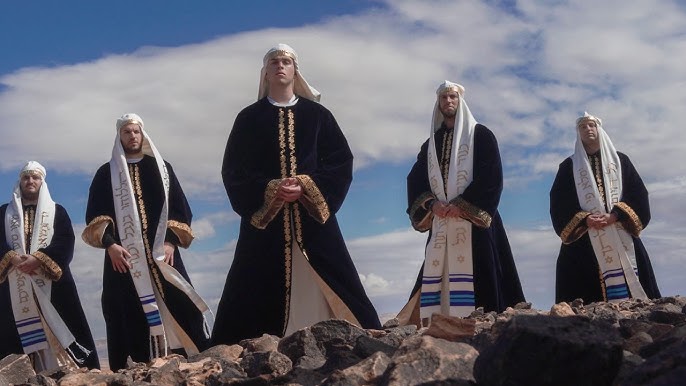
The science of the law for a holy living life style. The first attempt to free humanity from slavery and the first record of principles for a free and wise society.

Numbers
Israel’s journey from Mount Sinai to the Promised Land, highlighting their trials and rebellions, as well as God’s guidance.
Deuteronomy
The recapitulation of the Law. God urges the new generation to be faithful to their covenant with God. Key themes include love for God, obedience to his commandments, the promise of blessings for loyalty for keeping the law, and curses for disobedience.